Private credit
Agriculture and food — financing the farm gate
Digital administration could make agricultural credit easier to monitor, but sound lending still starts with seasonal cash flows, enforceable security and the realities of production.
Monday, 12 October 2026 · 09:00 UTC (demo) · 4 min read · 993 words

 Democratize
Finance follows the production cycle
Agricultural lending begins with an awkward mismatch: costs often arrive before income, while the timing and amount of that income remain uncertain. Seed, feed, labour and energy may need funding well before a crop is sold or a buyer pays. A balance sheet viewed at a single moment can obscure this cycle. The first task for a lender is to understand how cash moves through production, storage and sale, not simply to assign a value to land or equipment.
Food businesses extend that challenge beyond the farm gate. Processors, distributors and storage operators can face their own working capital gaps, even when demand for the final product appears dependable. A delay in collection can affect a supplier whose underlying output is perfectly saleable. Conversely, apparent growth can absorb cash if it requires more inventory and longer payment terms. Credit analysis needs to follow the chain of obligations rather than assume that essential goods automatically produce dependable borrowers.
Tokenisation may offer a different way to record and administer a financing claim. It does not change the biological or commercial timetable underneath it. A digitally represented loan still needs a borrower able to repay, documentation that reflects the transaction and a credible response when production or payment falls short of expectations.
Underwrite the source of repayment
Different agricultural exposures should not be folded into a single theme. A seasonal production facility depends on a different set of events from a loan against stored goods or finance against an accepted receivable. The repayment source must be explicit. If the expectation is that a buyer will pay for delivered produce, the lender needs to understand that buyer, the delivery conditions and any rights to reject, deduct or delay payment.
Concentration can emerge in unexpected places. Several farms may depend on the same processor, transport route or storage facility. A portfolio that appears diversified by borrower can therefore remain exposed to a common disruption. Weather and disease can also affect multiple producers together. These relationships are difficult to capture through a simple list of loans, particularly where operational dependencies change during the season.
Security is important, but its practical value needs careful assessment. A lender should ask who owns the goods, whether competing claims exist and how possession or control can be established. Perishable inventory may lose value while enforcement proceeds. Equipment may require specialist buyers, and land may be essential to a wider business rather than a readily realisable repayment source. A valuation is not a recovery plan, particularly when the lender needs to act under stressed conditions.
Better records, bounded claims
Digital records could help connect a financing arrangement to invoices, inspection reports or warehouse information. Consistent identifiers and clear event histories may reduce reconciliation work. They could also help investors distinguish a missed reporting obligation from a missed payment or an actual deterioration in collateral. These are meaningful administrative improvements if the source information is reliable and the relevant parties agree what each recorded event establishes.
The qualification is fundamental. A ledger can preserve a record without proving that the underlying statement is true. Someone must verify that goods exist, that quality meets the required standard and that the same asset has not been pledged elsewhere. An uploaded certificate may be useful evidence, but its issuer, scope and validity still require scrutiny. Automating the circulation of weak evidence does not strengthen the claim it supports.
The farm gate is where digital certainty meets physical uncertainty, and good credit design must make room for both.
Automated monitoring should therefore have defined limits and human escalation routes. A delayed data feed may reflect poor connectivity rather than borrower distress. A reported stock change may be legitimate or may require immediate investigation. The financing documents should establish which events trigger questions, restrictions or action, and who has authority to interpret them. Otherwise, a system intended to improve discipline can generate either false alarms or misplaced confidence.
Structure for a difficult season
Repayment schedules should be considered alongside realistic production and collection cycles. A facility that demands cash before the borrower can reasonably receive it may manufacture stress rather than control risk. Equally, generous assumptions about harvest timing or buyer payments can postpone recognition of a genuine problem. Sound structuring requires room for foreseeable variation without turning every adverse development into an open-ended extension of credit.
Insurance may address some risks, but coverage should not be assumed to match the lender’s exposure. Exclusions, deductibles, claims procedures and payment timing all matter. Hedging can alter exposure to prices without removing operational or counterparty risk. Neither should be described as a universal safeguard. The relevant question is how the arrangement behaves across plausible disruptions, including combinations of events that strain more than one source of protection.
Investor governance deserves equal attention. If several lenders hold interests in a financing, the structure needs a clear process for amendments, enforcement and the allocation of recoveries. A tokenised register may make holdings easier to track, but it does not decide when patience is preferable to enforcement. Those judgements require accountable authority and documents that explain whose consent is needed, particularly when investors have different preferences about timing and loss recognition.
For Democratize, a pre-launch UK arranger, agriculture is an area where restraint in presentation would be essential. The subject combines tangible assets and socially important production with risks that resist simple standardisation. A credible proposition would need to explain the borrower, the repayment cycle and the servicing arrangements before discussing the digital form through which an investor might hold exposure.
The potential contribution of tokenisation is consequently specific rather than transformative by default: clearer records, more coherent reporting and controlled administration of defined claims. Those benefits should be tested against their cost and operational demands. Financing the farm gate remains an exercise in understanding production and getting repaid; the record of the loan is valuable only when it serves that work.
Information, not advice.
Marketplace connections
Related tokenisation themes, not recommendations. These fictional Blueprint assets are separate from the reported news; no publisher or source endorses them.
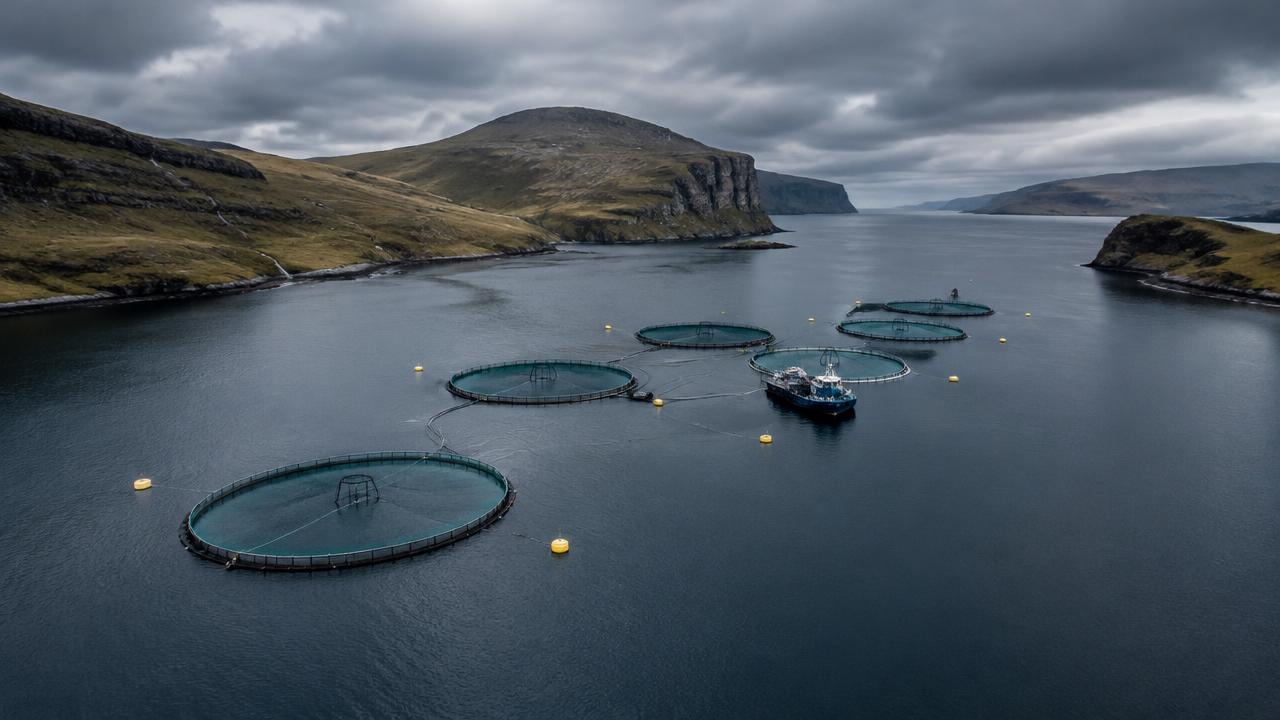 Senior note: Scottish salmon farmBig ticket · £36m illustrative asset valueTokenised SPV share register
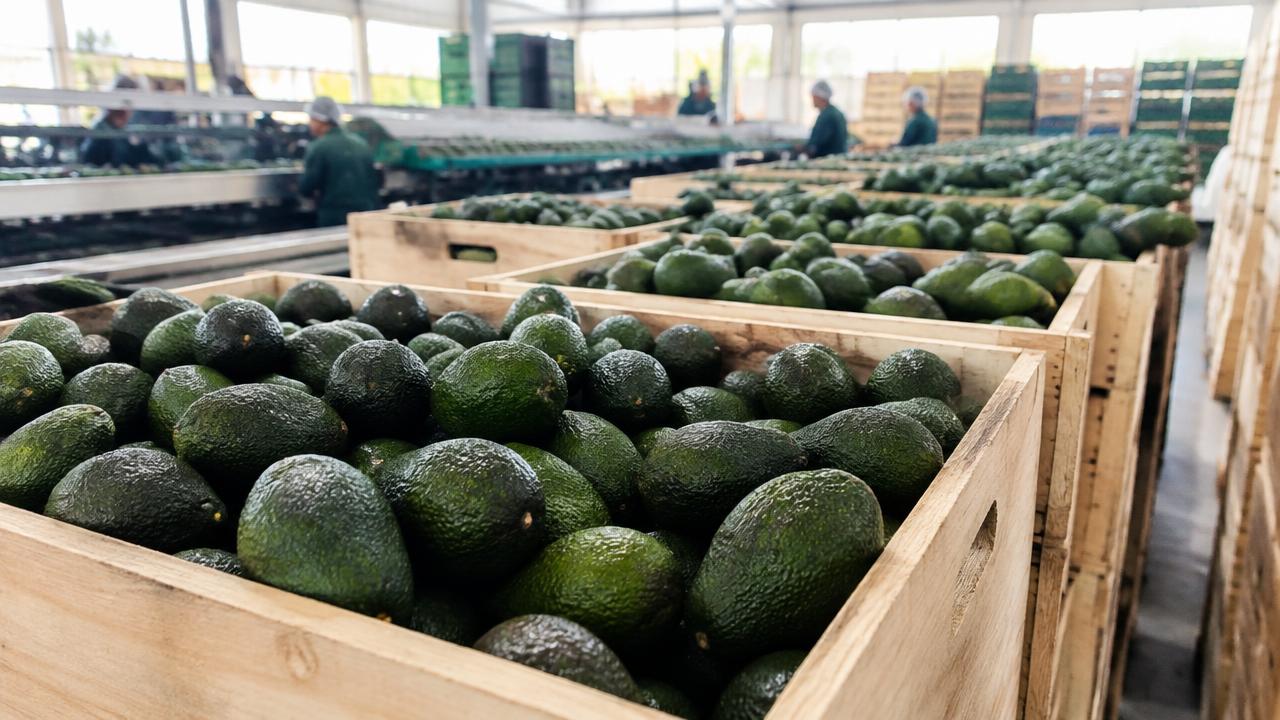 Trade note: avocado export financeMedium ticket · £7.0m illustrative asset valueTokenised SPV share register
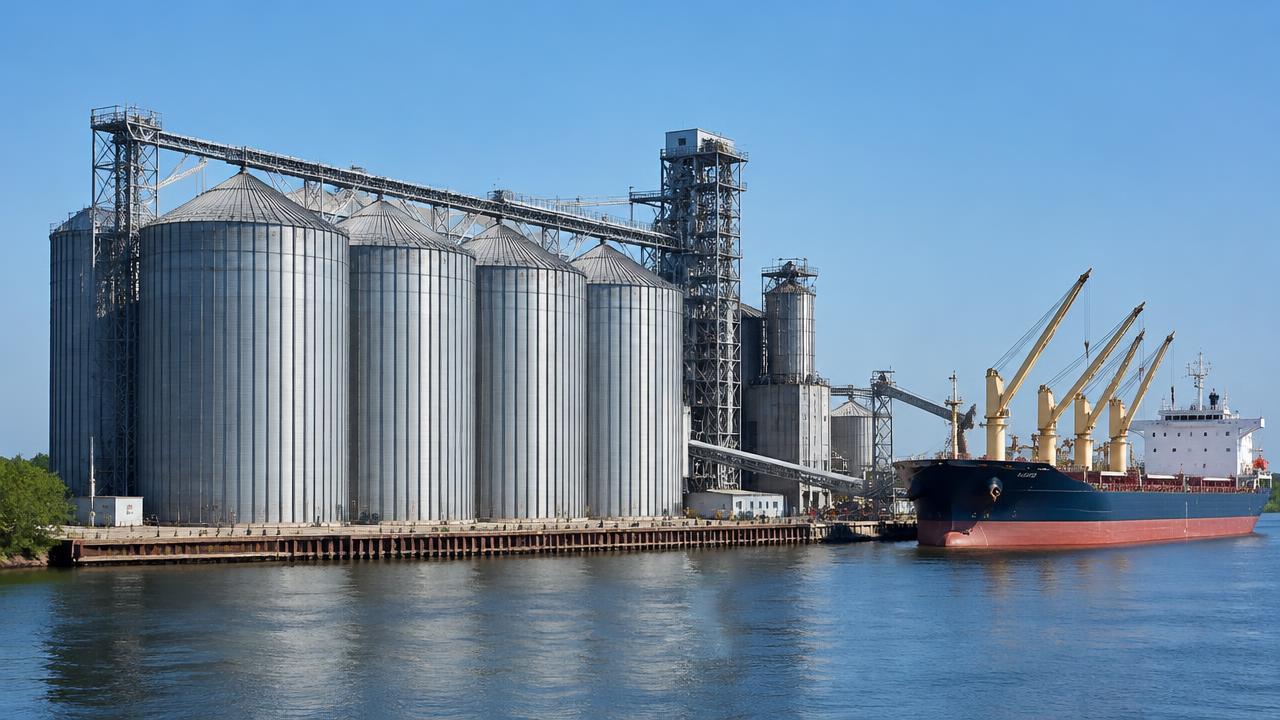 Senior note: grain storage terminalsBig ticket · £28m illustrative asset valueERC-3643 on a permissioned EVM chain
Scale bands use whole fictional asset values: entry-level below £100k; low £100k–under £1m; medium £1m–under £10m; big £10m+. Not investment minimums or a statement of suitability. Blueprint: fictional data, not an offer, not live. Information, not advice.
Enjoyed this?
Get new Token+ Intel essays and the weekly tokenisation briefing every Monday.
Subscribe to the briefing
Token+ Intel desk
Claudia Harken
Head of Marketing and Communications
Claudia Harken leads marketing and communications at Democratize.