Infrastructure
Infrastructure and energy assets — where tokenisation genuinely fits
Infrastructure offers a credible setting for tokenisation when digital records support the contracts and cash flows that govern the asset.
Thursday, 24 September 2026 · 09:00 UTC (demo) · 4 min read · 957 words

 Democratize
Begin below the token
Infrastructure and energy assets are often described as natural candidates for tokenisation because they are tangible and can generate recurring revenues. That description is incomplete. A physical asset does not necessarily produce a simple investment claim. A project may sit within several companies, depend on contractual permissions and carry obligations to lenders, operators and public authorities. The starting point is not the object that can be photographed. It is the legal structure through which investors receive cash and bear risk.
A token might represent shares in a project company, a debt interest or an interest in a fund holding several projects. These are different instruments with different priorities, governance rights and exposures. None should be presented as direct ownership of physical infrastructure unless the legal structure genuinely creates that right. Precision about the instrument is the first requirement of a credible proposal, particularly when a familiar asset makes an unfamiliar structure appear intuitive.
The strongest fit is therefore not simply an asset that exists in the physical world. It is an investment arrangement whose ownership, distributions and reporting can be administered more coherently through digital records. That judgement requires attention to the project beneath the record: its contracts, counterparties, lifecycle and sources of cash. Tokenisation is an additional layer of organisation, not a replacement for project analysis.
Follow the revenue to the investor
Energy projects demonstrate why cash flow needs to be examined rather than assumed. Revenues may depend on contractual purchases, market prices, availability or combinations of these. Expenses can include maintenance, insurance, land rights and network-related obligations. Debt service, reserve requirements and distribution restrictions may stand between project receipts and investor payments. A token cannot make those intermediate claims disappear, and a distribution schedule should not imply otherwise.
Digital administration may help track the application of a contractual waterfall once reliable inputs are available. It could connect an approved payment calculation to the relevant ownership record and retain an accessible history. But the waterfall remains dependent on the governing documents and the quality of the information supplied. A system that distributes the wrong amount consistently is not an improvement on a slower process with effective review.
Operational data can enrich reporting without becoming a direct substitute for financial accounts. Generation, utilisation or availability information may help explain performance, but each measure needs context. More output does not always mean more distributable cash. Investors need to understand pricing, costs, contractual deductions and the difference between an operational indicator and money available for distribution. The link should be demonstrated rather than left to the visual authority of a dashboard.
Tokenisation fits infrastructure when it clarifies the route from project performance to investor rights, not when it makes the asset look simpler than it is.
Match the structure to the lifecycle
A project under development is different from one with an operating history. Construction involves completion risk, potential cost changes and dependencies between contractors, permissions and funding. An operating asset may offer more evidence about performance while still facing maintenance, counterparty and regulatory risks. A tokenised format should make these distinctions easier to see. It should not place unlike exposures under a single label that suggests a uniform source of income.
Transferability also changes across the lifecycle. Financing documents, shareholder agreements or project contracts may restrict who can hold an interest and when consent is needed. Changes of control can have consequences beyond the investor register. Technical transfer permissions should reflect those restrictions, with processes for exceptional cases and clear responsibility for checking consent. Making an interest easy to move on a network does not establish that moving it is permissible.
Long asset lives make continuity particularly important. Software suppliers, custodians and reporting platforms may change while the project continues. Investors need a route to maintain records, exercise rights and receive payments if a technology provider is replaced. Exportable records, documented procedures and contractual transition rights may appear mundane beside digital innovation. In infrastructure, their durability can be a more important design characteristic than the novelty of the interface.
Where the practical fit emerges
One plausible use is the administration of interests among a defined group of eligible investors. A shared record may reduce reconciliation work between an administrator, a custodian and the issuer. Another is more structured reporting, linking approved project information to the instrument and its distribution history. These uses do not depend on constant trading. They can matter precisely because a long holding period makes dependable administration and consistent information valuable.
For cross-border institutional investors, including GCC capital, the benefits must be assessed alongside legal and operational compatibility. Governing law, tax treatment, currency exposure and dispute resolution remain central. A digital register cannot harmonise those matters by itself. The process also needs to accommodate investor approval chains and custody requirements without assuming that every participant will adopt the same technology or hold credentials directly.
There are circumstances where the fit is weak. A highly bespoke structure with few holders and limited administrative friction may gain little from an additional technical layer. Uncertain underlying rights, unreliable project reporting or poorly defined servicing responsibilities should be resolved before tokenisation is considered. Encoding ambiguity can make it harder to notice while leaving its consequences intact. The burden of proof belongs with the proposed improvement, not with the existing process.
For a pre-launch arranger such as Democratize, infrastructure is best approached through this discipline: identify a sound claim, understand its cash flow and determine whether digital administration serves its holders. The compelling outcome is not an asset made instantly liquid. It is an enduring investment relationship made easier to evidence, oversee and maintain across the asset's life. That is a narrower ambition, but a more defensible one.
Information, not advice.
Marketplace connections
Related tokenisation themes, not recommendations. These fictional Blueprint assets are separate from the reported news; no publisher or source endorses them.
 Fund units: biomethane plantsBig ticket · £22m illustrative asset valueDigital bond on a regulated DLT venue
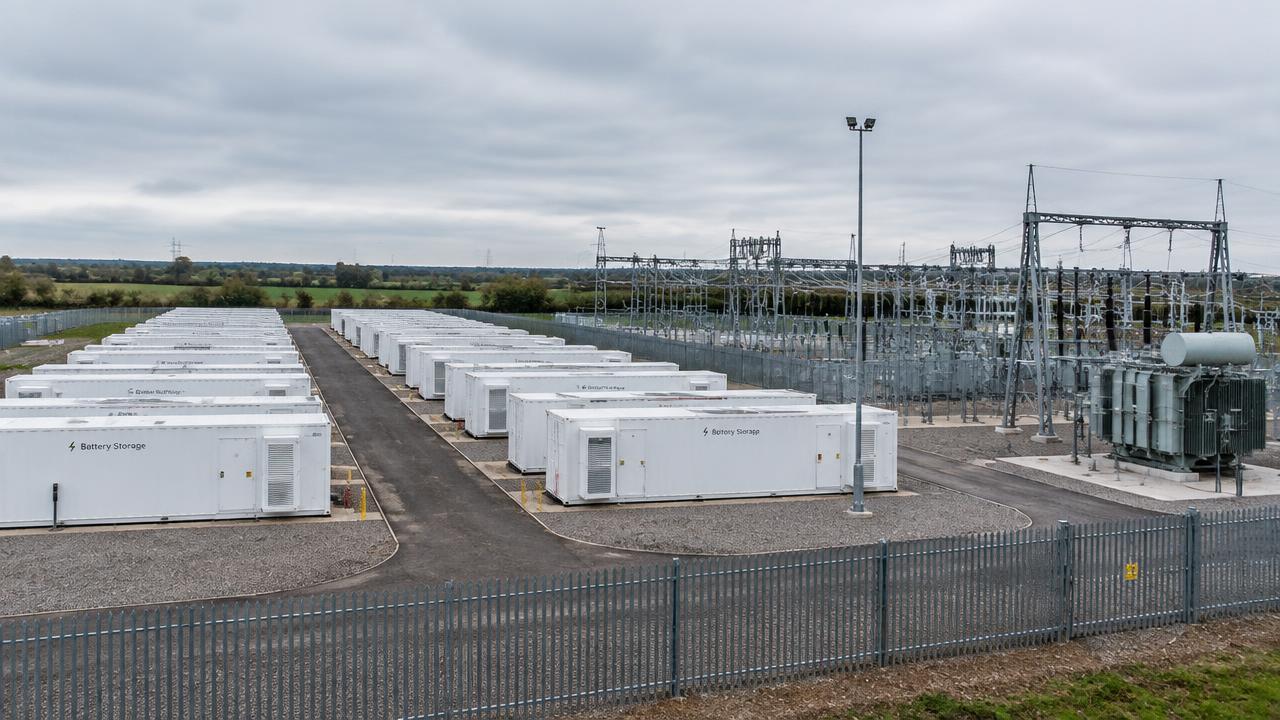 DLT bond: fictional community energy projectLow ticket · £750k illustrative asset valueDemonstration permissioned DLT bond register
 DLT bond: fictional energy pilotEntry-level scale · £75k illustrative asset valueDemonstration permissioned DLT bond register
Scale bands use whole fictional asset values: entry-level below £100k; low £100k–under £1m; medium £1m–under £10m; big £10m+. Not investment minimums or a statement of suitability. Blueprint: fictional data, not an offer, not live. Information, not advice.
Enjoyed this?
Get new Token+ Intel essays and the weekly tokenisation briefing every Monday.
Subscribe to the briefing
Token+ Intel desk
Claudia Harken
Head of Marketing and Communications
Claudia Harken leads marketing and communications at Democratize.